Sustainability: Schneider Electric Was Doing It Before It Was Cool
August 21, 2026

By Krystie Johnston
Schneider Electric was recently named the “World’s Most Sustainable Company 2026” by TIME Magazine and Statista again. For the third consecutive year. Since the magazine and data firm started the ranking in 2024. They topped the list of 750 of the world’s largest and most influential companies for sustainability based on transparency, accountability, and impact on the environment1.
This recent achievement is anything but superficial. It is simply the latest recognition in a series of accomplishments the company has made to date with respect to how they operate, innovate, and support their customers in optimizing efficiency and reducing emissions. It goes deep into the tissue of who Schneider Electric is at heart; an energy technology company that helps everyone make the most of their resources.
Frederick Morency is VP of Sustainability, Strategic Initiatives & Innovation at Schneider Electric Canada. For nearly 30 years, he has been with the company, connecting their sustainability ambitions with business outcomes. “In Canada, that [my role] means working closely with customers, partners, and industry stakeholders to advance electrification, digitalization, and energy intelligence in a way that supports both decarbonization and competitiveness.”
What it takes to maintain sustainability leadership on a global scale
Morency says sustainability leadership is not built on ambition alone. It requires governance, discipline, transparency, and measurable progress over time. Recognition is great, but what matters most is what sits behind it. “Accountability has become increasingly important because customers, investors, employees, and communities want to see evidence of impact – not just commitments.” He adds, “Through our Impact 2030 roadmap, we track progress through measurable indicators and regularly report our results, helping ensure sustainability remains embedded in our business strategy and operations.”
Recognition from organizations like TIME and Statista provide an opportunity for Schneider to show what sustainability leadership looks like. For them to do as they say, literally. “It means moving beyond commitments and focusing on execution,” Morency says. “Sustainability is embedded in how we innovate, operate, and support customers every day. It also reinforces an important reality: no organization can drive the energy transition alone. Progress depends on collaboration across industries, supply chains, and communities.” Ultimately, that leadership is measured by impact and the value created for customers, society, and the environment.
Yielding sustainability to battle environmental dragons
Sustainability perspectives have changed over the years, breaking stereotypes and shaping mindsets such that most can agree we need to be responsible for the impact our actions and choices make. More than accepting responsibility, leveraging sustainability as a tool has advantages beyond environmental impact. “Sustainability is increasingly viewed as a competitiveness strategy because energy has become a strategic business variable. Cost, resilience, productivity, and carbon performance are now closely interconnected.”
Morency says investments in electrification, digitalization, and energy management help organizations improve operational performance, reduce waste, strengthen resilience and better manage costs – while advancing decarbonization goals. He says that many organizations now recognize that sustainability and business performance are mutually reinforcing, and together, support long-term competitiveness. And that electrification, digitalization, and energy intelligence can work together to help organizations optimize how energy is produced, distributed, and used.
“Electrification supports the transition toward cleaner and more efficiency energy sources. Digital technologies provide visibility into energy use, while energy efficiency intelligence transforms data into actional insights that help improve decision making,” Morency says. “Together, these capabilities help organizations improve efficiency, strengthen resilience, reduce emissions, and better navigate increasingly complex energy systems.”
How Schneider measures impact
If you do not have a plan, you may not like where you end up. Schneider’s Sustainability Impact plan turns ambition into impact by setting goals, ways to get there, and measuring their success. They recently launched their latest sustainability roadmap, Impact 2030, to help them on the next few years of their decarbonisation journey. “Impact 2030 builds on our long-standing sustainability commitment,” Morency says. “It is organized around four strategic pillars: electrifying the world, reinventing the industry, unlocking human potential, and empowering local communities.”
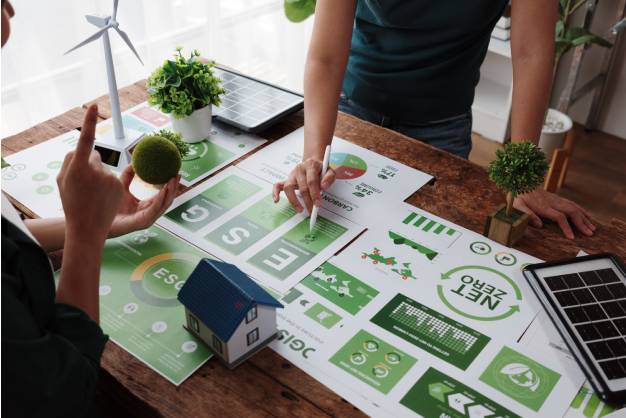
“What makes the roadmap particularly important,” he adds, “is its focus on accountability. We measure and report our progress through quarterly performance indicators, bringing transparency and discipline to how we track impact.” Morency says that, looking ahead, he suspects greater emphasis on electrification, digitalization, circularity, supply-chain collaboration, and data-drive decision-making as organizations increasingly seek solutions that deliver both business value and sustainability outcomes.
Schneider’s ability to combine strategy, technology, and execution makes them a trusted partner many people and businesses rely on for their own decarbonization journey. “We focus on delivering measurable results – not simply setting ambitious goals,” Morency says. “Our expertise in electrification, automation, digitalization. And energy management helps organizations improve efficiency, strengthen resilience, and advance their sustainability objectives simultaneously.”
Summary
For Schneider Electric, being recognized as the World’s Most Sustainable Company” for a third consecutive year is an honour, but it is also a responsibility, says Morency. “We remain focused on helping customers, partners, suppliers, and communities accelerate the energy transition and create lasting impact – together.”
About Frederick Morency
Frederick has been with Schneider Electric for over 25 years and is the quarterback for Sustainability in Canada, guiding net-zero actions across the company’s operations and value chain and supporting customers’ sustainability journey. In 2023, Frederick was named to The Globe & Mail’s Best Executives list for his leadership and expertise in the market.

He is a trusted advisor and has helped customers in over 40 countries decarbonize and efficiently manage their energy use. Prior to his role as the Sustainability lead for Schneider Electric, Frederick served as Vice President, Services, where he orchestrated strong digital experiences between Schneider Electric’s partners, customers and core businesses.
Frederick is a strong believer in the power of mentorship. Under his leadership, Schneider Electric has partnered with the Indigenous Clean Energy Social Enterprise (ICE) to help Indigenous communities build a clean energy plan. He also supports the next-generation of talent and academia through alliances with HEC Montreal and other research institutes and is involved with think tanks and start-ups who are mapping innovative ways to reach net-zero ambitions.
Frederick is also actively engaged in the Canadian business community through his involvement in the Association de l’industrie électrique du Québec (AIEQ) and the Institut en génie de l’énergie électrique (l’IGEE). He is regularly featured as a keynote speaker and panelist to discuss electrification planning and to guide industry partners, policymakers, customers and regulators on advancing Canada’s climate action ambitions.
Interested in learning more? Visit Schneider Electric Canada today!
Related Story
Schneider Electric Named World’s Most Sustainable Company for the Third Consecutive Year by TIME Magazine and Statista
Schneider Electric, a global energy technology leader, has been named the “World’s Most Sustainable Company 2026” by TIME Magazine and Statista for the third consecutive year. The recognition, drawn from a ranking of 5,000 of the world’s largest and most influential companies, reflects their long-standing commitment to making sustainability an integral part of its business strategy, governance, and performance.
Driven by its vision of advancing energy technology to power progress for all, Schneider Electric leverages its leadership in electrification, efficiency, and digitalization to deliver impact at scale.