Designing Out-of-Panel Machines Without Compromising Visibility or Safety
June 10, 2025
As industrial systems shift toward out of panel architectures, the conversation is no longer about why out-of-panel solutions matter; it is about what they enable. For engineers and manufacturers, the real value lies in outcomes: faster deployment, improved uptime, simplified design, and greater system transparency -all without sacrificing safety or control.
What Out-of-Panel Design Delivers
Faster Deployment with Less Complexity
By moving key components out of the control panel and closer to the machine, system design becomes significantly simpler. Fewer internal connections and reduced panel wiring translate to:
- Shorter installation timelines
- Faster commissioning
- Easier system modifications
This is especially critical in environments where engineering resources are limited and speed to production matters.
Improved Uptime and Serviceability
Out-of-panel components are inherently more accessible. This leads to:
- Faster diagnostics and troubleshooting
- Reduced maintenance downtime
- Quicker replacement or upgrades
Instead of opening and reworking control panels, teams can service devices directly at the machine level, keeping operations running longer.
More Scalable and Adaptable Systems
Out-of-panel architectures support a more modular approach to machine design. The result:
- Easier expansion of production lines
- Simplified integration of new equipment
- Greater flexibility to adapt to changing requirements
Systems become easier to evolve without requiring major redesigns.
Reduced Risk and Cleaner System Design
Distributing components across the machine reduces panel congestion and wiring density. This leads to:
- Lower risk of wiring errors
- Improved signal reliability
- More organized, manageable system layouts
At the same time, relocating functionality into the field allows systems to maintain performance even in demanding environments.
Maintaining Visibility and Control
One common concern with distributed architectures is losing system visibility. However, modern out-of-panel solutions are designed to enhance, not reduce, operational insight.
With integrated monitoring and standardized connectivity, users can:
- Access real-time system status
- Monitor performance at the device level
- Maintain clear visibility without centralized panel dependency
Enabling Safety Without Centralized Panels
Safety remains a critical requirement, even as systems move away from traditional control panels. Out-of-panel safety solutions allow key functions to be implemented directly at the machine level.
This approach:
- Maintains safety integrity and compliance
- Improves response time by acting closer to the load
- Reduces reliance on centralized safety hardware
Applying the Approach in Practice
Purpose-built out-of-panel components are making it easier to implement this architecture without trade-offs.
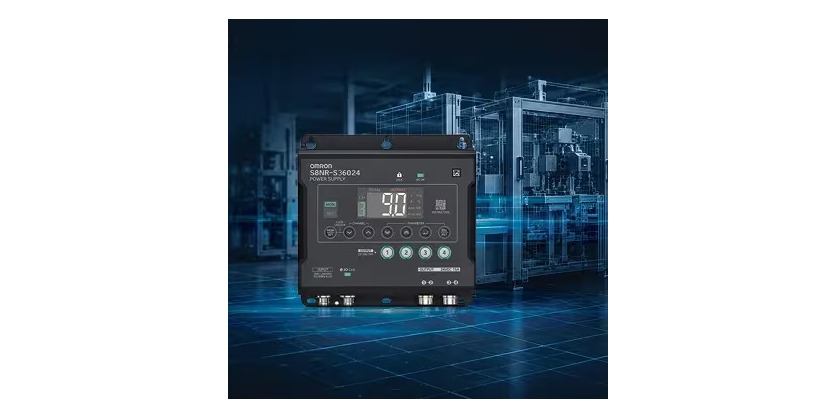
Omron’s out-of-panel power supply delivers stable DC power closer to where it is used, reducing panel heat, minimizing wiring complexity, and improving overall system efficiency. With built-in protection and simplified connectivity, it also supports faster installation and easier maintenance.
Conclusion
Out-of-panel design is no longer just a space-saving strategy, it’s a way to build faster, more adaptable, and more resilient systems. By distributing power and control closer to the machine, manufacturers can improve uptime, simplify operations, and maintain full system visibility.
As these architectures continue to mature, the focus remains clear: achieving better outcomes with less complexity.
More Information
Related Story
How OMRON’s Industrial Control Panel Products Support Scalable, Modular Machines
OMRON has been manufacturing industrial control panel products for more than 80 years. Their entire portfolio is designed to help panel builders, machine builders, and end users reduce costs while saving time and space. This blog discusses how OMRON’s industrial control panel products support scalable, modular machines with a smaller footprint, and highlights some of their electromechanical and solid-state relays that are prime examples of products that give builders more value.