ITC 101: CC Fuses vs Midget Fuses
June 10, 2026
How to choose the right fuses?
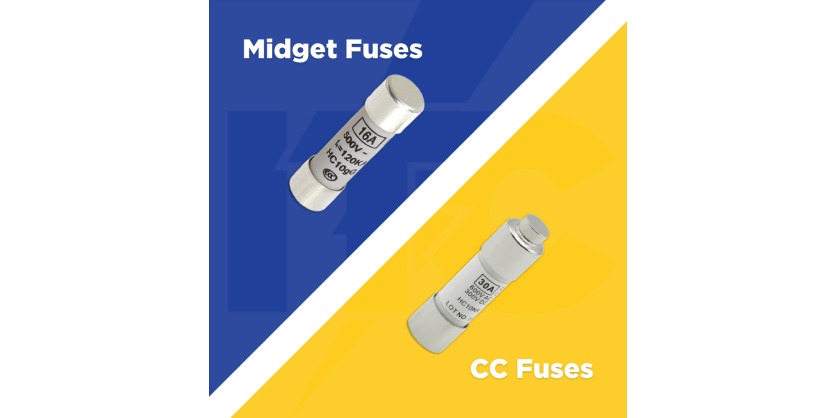
ITC Electrical knows that choosing the right fuse is essential for protecting electrical equipment, minimizing downtime, and maintaining safe operation. Two common fuse types used in industrial and control panel applications are CC fuses and Midget fuses. Understanding the difference between the two types of helps ensure the proper level of circuit protection for each application.
What Are Midget Fuses?
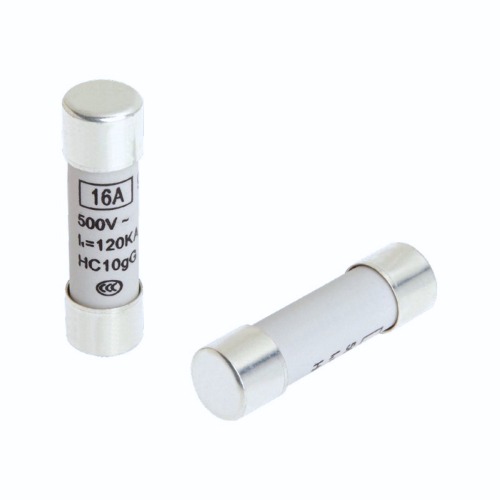
Midget fuses are cylindrical fuses widely used for supplementary protection in electrical systems. They are available in a broad range of current ratings and characteristics, making them a flexible option for many applications.
Typical Features of Midget Fuses
- Compact cylindrical design
- Available in fast and slow acting types
- Broad range of voltage and amp ratings
- Common supplementary circuit protection
Common Application
- Lighting circuits
- Transformers
- Control circuits
- General electrical equipment
What Are CC Fuses?
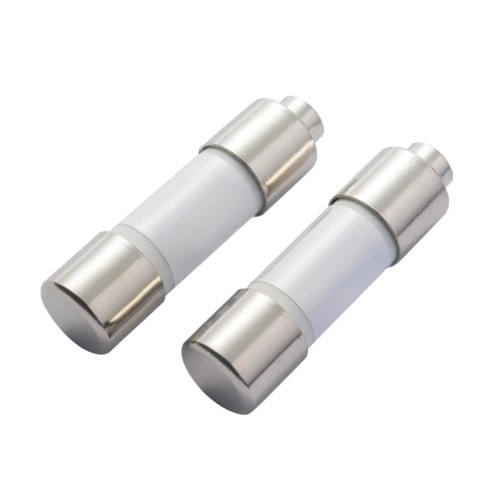
CC fuses are compact branch circuit protection fuses commonly used in control panels, industrial machinery, and HVAC equipment. They are designed for high interrupting capacity and current limitation in a compact footprint.
Typical Features of CC Fuses
- Compact physical size
- High interrupting rating
- Excellent current limiting performance
- Commonly used in branch circuit protection
- Rejection-style fuse holders help prevent incorrect fuse replacement
Common Application
- Control panels
- Industrial machinery
- Motor circuits
- HVAC systems
What They Have in Common
Both CC and Midget fuses are compact cylindrical fuses widely used in industrial and electrical applications. They are available in various amp ratings and can be supplied in both fast acting and slow acting versions depending on the application requirements.
Both fuse types are commonly used in:
- Control panels
- Automation systems
- HVAC equipment
- General electrical protection
Key Differences – CC Fuses vs Midget Fuses
Although CC fuses and Midget fuses may appear similar in size and application, they are designed for different levels of protection and system requirements.
CC Fuses
CC fuses are typically used with rejection-style fuse holders. These holders are specifically designed to:
- Prevent installation of the wrong fuse type
- Maintain the correct protection characteristics
- Meet branch circuit protection requirements
The rejection feature physically blocks incompatible fuses from being installed.
Midget Fuses
Midget fuses use standard cylindrical fuse holders and are mainly intended for supplementary protection applications.
Because the holders are not rejection-type, they generally allow only compatible fuse dimensions and ratings intended by the manufacturer.
Warning! Think before you put it in the fuse holder!
Even if a fuse physically fits into a holder, it does not mean it is electrically or legally suitable for the application. Using the wrong fuse type may result in:
- Reduced protection performance
- Nuisance blowing
- Safety risks
- Non-compliance with electrical codes or UL/CSA requirements
Fuse and Fuse Holder Solutions
ITC offers a wide range of fuses and fuse holders for industrial and control panel applications, including:
- CC fuses
- Midget fuses (Incl. photovoltaic fuses)
- Touch-safe fuse holders
- Open style fuse holders
ITC Electrical’s product range is designed to support reliable circuit protection across automation, machinery, HVAC, and power distribution systems.
Explore ITC’s one-stop solution for Fuses and Fuse Holders now! Click Here
References:
- Littelfuse Inc. (2024) Fuseology Selection Guide. Available at: https://www.littelfuse.com (Accessed: 13 May 2026).
- Mersen (2024) Class CC Fuses and Fuse Protection Solutions. Available at: https://www.mersen.com (Accessed: 13 May 2026).
- National Electrical Manufacturers Association (NEMA) (2024) Electrical Protection Standards and Application Information. Available at: https://www.nema.org (Accessed: 13 May 2026).
- NOARK Electric (2024) Industrial Fuse and Fuse Holder Solutions. Available at: https://www.noark-electric.com (Accessed: 13 May 2026).
- UL Solutions (2024) UL Standards for Low Voltage Fuses. Available at: https://www.ul.com (Accessed: 13 May 2026).
- Edison Fusegear (2024) Technical Guide to Midget and Class CC Fuses. Available at: https://www.edisonfusegear.com (Accessed: 13 May 2026).
More Information
Related Story
ITC Electrical Components Celebrates 30 Years of Service to the Electrical, Automation and OEM Market in Canada
After a successful 15-year career in the electrical components industry Luca Fontana founded ITC Electrical Components in 1994. Since that time the company has grown from a home-based operation to a successful business with 15 employees and a new warehouse 12,000 square foot facility at 50 Mural Drive, Richmond Hill. Today ITC stocks over 10,000 specialized parts including enclosures, DIN rail, control and protection devices, cable management components and wire and cable tools to name a few.
ITC spends considerable time in sourcing and partnering with its core principles levering their expertise and product and application knowledge.