| |

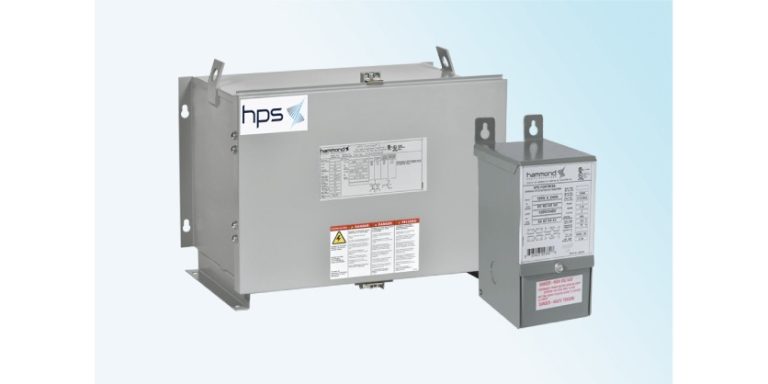
HPS EV Charging Distribution Transformers – Built to Brave the Elements

August 12, 2025

HPS EV Charging Distribution Transformers – Built to Brave the Elements

As electric vehicle (EV) infrastructure expands, transformers play a critical role in powering EV charging stations with reliable, efficient energy. HPS EV charging transformers are designed to manage the high and fluctuating loads of EV charging, delivering consistent performance in demanding conditions.

With advanced dry-type transformer technology and an optional robust 3RE+ enclosure that provides superior protection over standard ventilated designs, HPS EV charging transformers offer durability, energy efficiency, and dependable operation for high-volume and fast-charging applications.

More Information

Electric Vehicle (EV) Charging Distribution Transformers

Related Story

Designing for Demand: The Role of Transformers in a Resilient EV Future
HPS EV Charging Distribution Transformers - Built to Brave the Elements

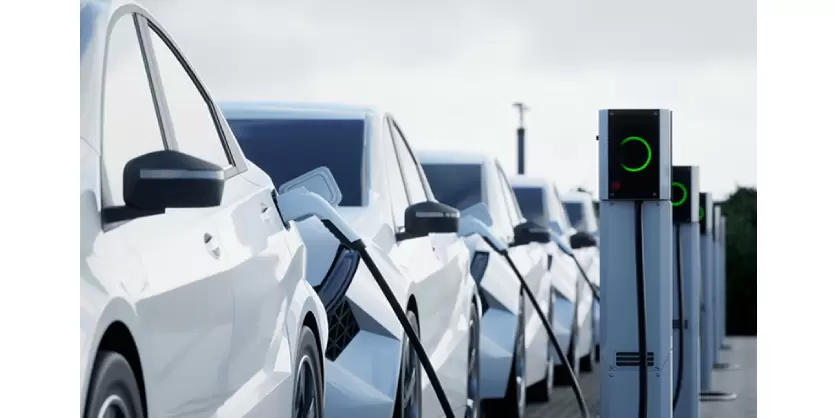
As electric vehicles (EVs) continue their rapid rise, one question looms over the energy sector, municipalities, and developers alike: Is our infrastructure truly ready for the surge in demand?

From city streets to highway rest stops, new EV chargers are popping up across North America. But while charging stations get all the attention, there’s a critical component working behind the scenes, often overlooked, but absolutely essential: the transformer.

Related Articles


Editor’s Pick: Featured Article

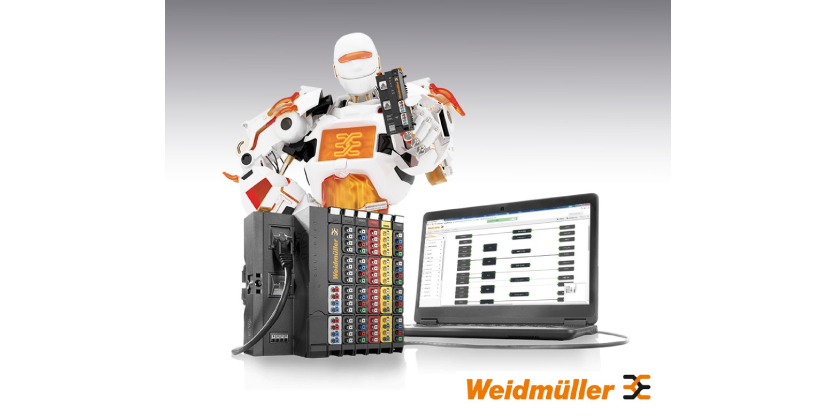
Weidmüller’s u-control 2000: The Automation Controller

Weidmüller’s u-control 2000: The Automation Controller

Weidmüller’s scalable engineering software, u-control 2000, adapts individually to your requirements. And, the u-control is powerful, compact and fully compatible with Weidmüller’s I/O system u-remote. This article looks at what makes u-control the heart of your automation.

Programmable logic controllers (PLCs) are one of the main components of any automated system. A typical control system has inputs, outputs, controllers (i.e., PLCs), and some type of human interaction with the system, a human machine interface (HMI), for example.

Read More


Latest Articles

  • Applications of Physical AI in Canadian Sectors

    June 23, 2026 Physical AI — the convergence of artificial intelligence with robotics and autonomous motion systems — is reshaping how Canadian industries operate. Across sectors from healthcare to mining, AI-enabled machines are performing tasks that were once entirely dependent on human intervention. But deploying Physical AI effectively requires more than sophisticated algorithms: it demands… Read More…

  • Case Study: Optimizing Harmonic Mitigation in Wastewater Treatment

    June 22, 2026 Segment and Application In a municipality, wastewater treatment plants typically stand out as the main consumers of electricity. The operational processes exhibit significant load variations throughout a 24-hour cycle, necessitating the use of AC drives to regulate pumps, blowers, and other motorized equipment in response to fluctuating demand. In one wastewater treatment… Read More…