The Broom: The Unexpected Lesson That Shaped My Approach to Manufacturing
August 12, 2025
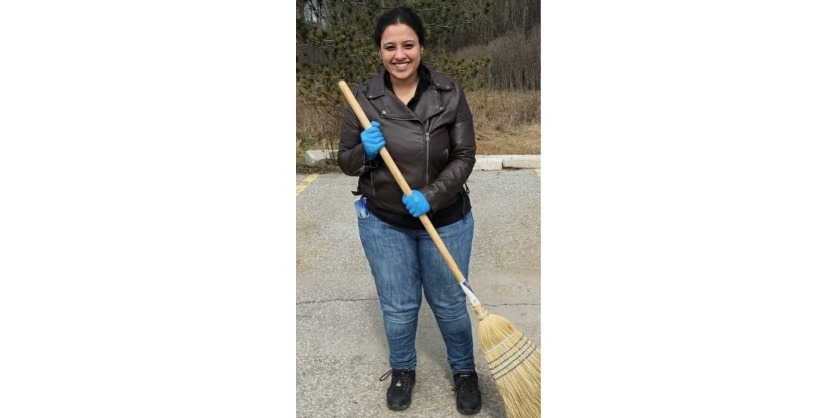
By Swathi Mohan, Founder of Leanacle Inc.
The Broom: The Unexpected Lesson That Shaped My Approach to Manufacturing
Walk into any well-run factory and you’ll likely see signs of 5S everywhere :clean floors, neatly labeled shelves, color-coded bins, and smooth workflows. It’s often the first thing leaders focus on when they want to improve efficiency or create a more professional-looking space.
But over the years, I’ve realized something important:
The most powerful parts of 5S aren’t the visuals. They’re what’s happening underneath – in the mindset, the culture, and the people.
I didn’t learn that from a book.
I learned it the day I picked up a broom.
Let me take you back.
I was about to finish my final year of engineering. A major campus placement event was happening, and we heard that the Toyota was coming to recruit. For any engineer who loves manufacturing, that’s the dream.
There were about 4,000 students across universities. The odds of getting in? Very slim.
But somehow, I made it. Out of the entire crowd, I was one of just three people selected from my university.
I was over the moon.
Soon after, I joined the company and began my induction training. Since I was recruited for the Maintenance Engineering division, I was trained in PLCs, troubleshooting, and hands-on technical skills, all the exciting stuff.
We were a batch of fresh engineers. Bright-eyed, enthusiastic, ready to make a difference.
And then, at the end of a day filled with PLC practice, we were handed… brooms.
Yes. Brooms.
I still remember the look on everyone’s faces.
“Do they know we are engineers?”
One of us finally worked up the courage to ask, “Do engineers need to do this?”
I’ll never forget the trainer’s smile as he said,
“Even the President of Toyota does it.”
We were stunned.
Then he explained:
“When you have a sense of ownership, when you truly care about a place, there’s no shame in taking care of it. In fact, you take pride in it.”
That hit me hard.
Until then, I saw 5S as a cleaning and organizing tool. But in that moment, I realized it was something much deeper.
At Toyota, 5S is rooted in respect for people. Not just respecting others, but respecting the work, the environment, and yourself. When you see something out of place, you fix it not because it’s your job, but because you care.
That’s ownership.
And that’s the heart of the Toyota Production System. Every person, no matter their role, is responsible for maintaining standards and improving the workplace. Not by issuing orders but by setting the example. By being the kind of leader who doesn’t just walk the floor, but sweeps it.
Fast forward to today: the highest position I’ve held is that of a Lean Leader representing the Canadian operations of a billion-dollar company.
And yes, you’ll still see me picking up the broom.
Not because someone told me to. But because I take pride in the space I work in.
Now, through my work with small and medium-sized manufacturers in South West Ontario, I help bring that same spirit to companies who are ready to grow. Most teams start with 5S for the visual wins. But when they start living the mindset, when people take ownership, not just actions, the real transformation begins.
So let me ask you:
What does 5S mean to you?
When was the last time you picked up a broom?
Key Note from the Author

Swathi Mohan, Founder of Leanacle Inc
Still unsure about the impact of shop floor engagement? Try this simple yet powerful exercise: Take just 10 minutes today to ask each of your team members, “What’s one thing that could make your work easier or more efficient?” Don’t offer solutions, just listen. By the end of the day, you’ll likely have at least one actionable idea that can drive meaningful improvement. If that’s the case, imagine what could happen if you tapped into the ideas and insights from every employee across the shop floor. The potential for improvement is right in front of you—waiting to be unlocked.
Swathi is a former Toyota engineer and founder of Leanacle, where she helps automotive SMEs unlock “profit-boosting efficiency.” She says her clients have seen up to 30% revenue growth in just 90 days by leveraging her expertise in uncovering hidden opportunities on the shop floor.
More Information
Related Stories
From Suits to Steel-Toes: Why Shop Floor Harmony Builds Manufacturing Gold
Tariffs – Can You Look Within?
The Evening After the Storm, The Huddle Before the Shift—What is Common?
Why You Should Air Your Dirty Laundry in Public… In a Manufacturing Environment