Advanced Barcode Technology for Traceability 4.0 and Supply Chain Precision
October 30, 2024
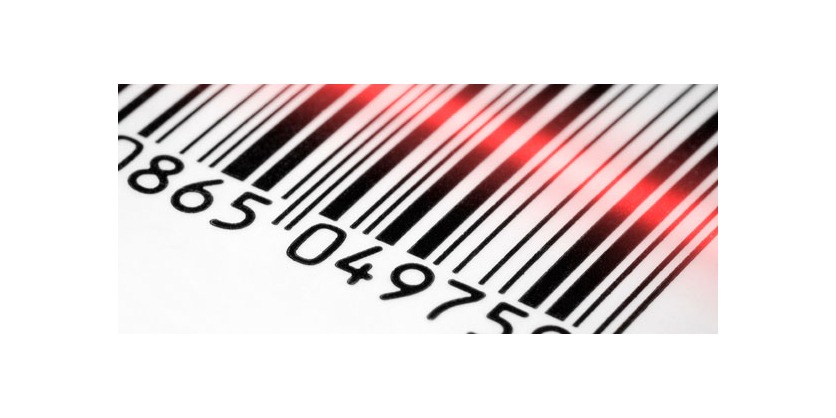
Omron is a market leader in barcode verification and compliance solutions.
In an era where efficiency and accuracy are paramount, the latest advancements in barcode technology are setting new standards for seamless traceability. With enhanced imaging capabilities and adaptive lighting, these innovative solutions are designed to tackle the most challenging conditions in data capture.
Traditional barcode systems often faltered due to poor print quality or environmental damage, leading to significant disruptions in supply chain operations. However, the new generation of barcode technologies has overcome these hurdles by ensuring accurate data capture even in the most demanding environments. Whether it’s faded labels or codes printed on reflective surfaces, these systems ensure that every scan counts.
The core of this technological leap lies in the ability to read both 1D and 2D codes across a variety of surfaces. From rough textures to glossy finishes, the adaptability of modern barcode scanners ensures that no code goes unread. This is further enhanced by automatic adjustments in the scanning process, which compensate for different lighting conditions and angles, making the scanners robust against the elements.
Durability is another cornerstone of these advanced systems. Designed to withstand the rigors of industrial environments, they promise longevity and reliability. This not only reduces the need for frequent replacements but also boosts overall readability under diverse conditions.
As industries continue to evolve, the role of advanced barcode technology in ensuring seamless traceability will only grow more crucial. These systems are not just tools but pivotal elements in the optimization of global supply chains, ensuring that products are tracked accurately and efficiently from production to consumption.
In conclusion, the future of logistics and supply chain management is being reshaped by these technological advancements. With enhanced capabilities and unparalleled adaptability, advanced barcode systems are at the forefront of this transformation, promising a more streamlined and error-free future.
More Information
Related Story
Traceability 4.0. How Omron Can Help You Get More Out of Your Digital Transformation
Traceability is important for many reasons. Without it, it would be virtually impossible to mitigate quality issues in the field. Many industries require tracking and trace for components and assemblies such as automotive, life sciences, food and beverage. These industries require that manufacturers record and store data for every component or batch that is used to complete the finished good in the event of a future recall or quality issue.
Traceability is necessary to verify that proper materials, quality, testing, and assembly have been completed. It helps maintain brand loyalty via customer transparency, and it provides information about product quality and supply chain. Traceability can provide a staggering number of data points, and it can be challenging to know how to best make use of this information.
Today, more industries are starting to adapt these same track and trace processes, not necessarily to protect themselves in the event of a recall or issue, but because they recognize the advantages the data from traceability can provide. They see the potential for using this data in a proactive way.