

The Festo Group
Festo is deploying its products and services to meet the challenge of smart production for the future in the course of digitalisation. The company also relies on artificial intelligence and machine learning.
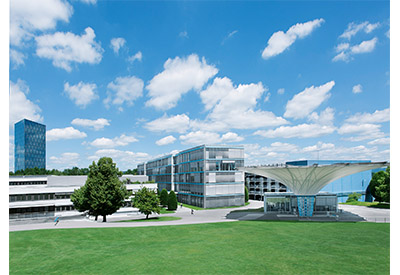
Festo is deploying its products and services to meet the challenge of smart production for the future in the course of digitalisation. The company also relies on artificial intelligence and machine learning.
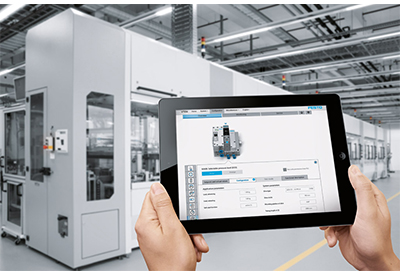
The increasing awareness of climate protection, but also high energy prices and rising cost pressure make energy efficiency a core corporate task. In addition, environmentally friendly and CO2-neutral production is increasingly becoming a competitive factor.
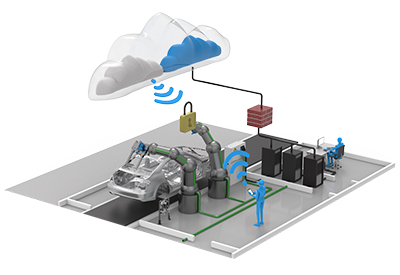
Festo aims to establish artificial intelligence (AI) as a key technology and core competence and to use it consistently for its customers’ automation solutions. To this end, Festo offers intelligent solutions and services, with a focus on Predictive Maintenance, Predictive Quality and Predictive Energy.
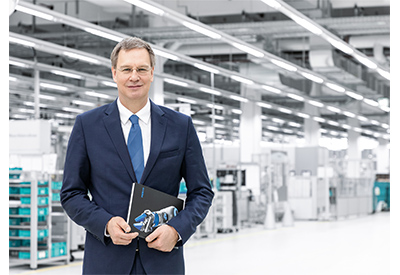
In the 2020 financial year, the Festo Group had to cope with a 7.5% decline in turnover due to the pandemic, but was able to close with an overall operating result above the previous year. The workforce was also guided through the crisis in a stable manner.
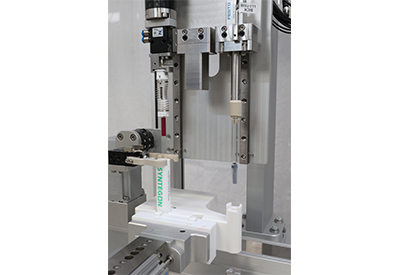
With the number of diabetics in the world rising by about 10 million a year, there is steady demand growth for the insulin pens that help people manage their lives.
Many manufacturers use time-consuming and potentially dangerous manual processes to inspect servo motors for insulation issues. If this sounds like your company, it might be time to switch over to an automated, remote-based servo motor condition monitoring solution that works around the clock.
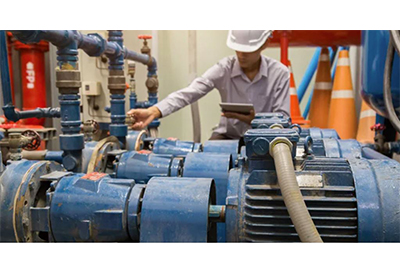
Small motors – both AC and DC – serve as critical points in industrial operations. They may be integral to automation and equipment control and serve multiple purposes to mechanically drive and actuate systems and equipment, but are often replaced rather than repaired or reconditioned.

There are a variety of different electrical safety products that are permanently mounted, each with different functionality and limitations. They all have different purposes and should not be discussed interchangeably.
Automation continues to revolutionize the modern world. It goes beyond industrial automation and Industry 4.0 to include the commercial and consumer domains. This is where the wider IoT plays by automating tasks that were once physical but are now increasingly electromechanical.
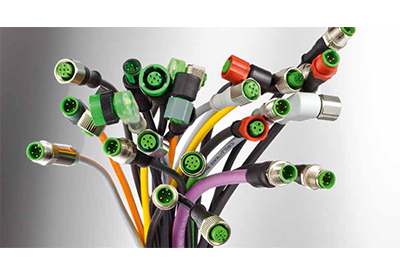
When Colin Cartwright started as a controls engineer more than 30 years ago, choosing a sensor cable was relatively easy because there weren’t very many options to choose from. It was 1990 and if a sensor had a connector (many were still widely available with screw terminals at that time), it was either a 7/8 Mini connector or a M12 connector.
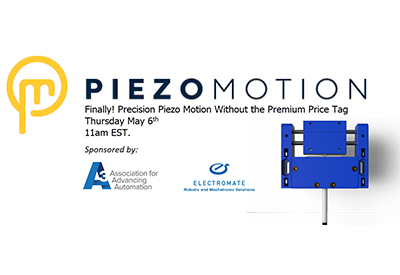
Piezoelectric motors have long been used for ultra-precise expensive motion solutions in niche industries but the latest innovations in piezo technology enable these devices to be suitable for mainstream motion solutions.
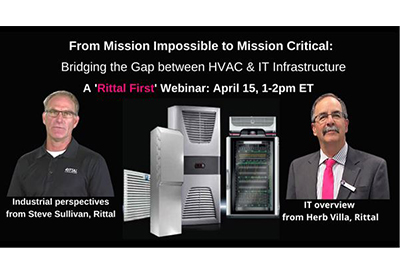
2020 will probably go down in history as being the year of ultimate challenges, but the HVAC industry experienced and kept up with those rapid changes on a daily basis. Despite the crisis, an AHR Expo and ASHRAE Journal survey showed 88% HVAC industry respondents reporting “good” or “excellent” business with a possible 5-10 percent growth.
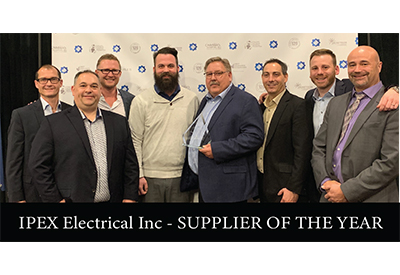
E.B. Horsman & Son (EBH) was recently delighted to share the news that IPEX Inc received the E.B. Horsman & Son Supplier Partner of the Year award for the second year in a row.

ABB has been awarded a National Individual Standing Offer (NISO) to provide full-scope services for equipment installed on board Canadian Coast Guard (CCG) vessels, reducing maintenance costs and increasing uptime.
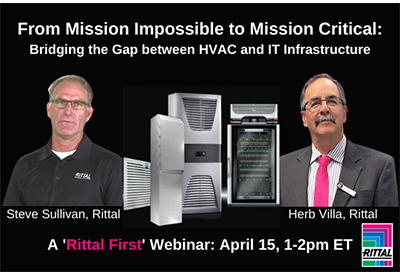
Join in with Rittal to sharpen up your IT & Industrial infrastructure, as well as your mission critical processes. Take your Heating, Ventilation and Air Conditioning needs and business to the next level with some cool tips from Rittal’s experts.
Digital technology continues to transform manufacturing. And as smart factory initiatives escalate, OEMs face new demands for highly productive, information-enabled machines that support digital transformation – and help maintain safety and security in a connected world.