30 Years of RADARSAT Data: Canada’s Legacy in Earth Observation
November 6, 2025
This year marks a milestone for Canada’s space program: the RADARSAT program is celebrating 30 years of innovation, collaboration, and global impact! Since the launch of RADARSAT-1 on November 4, 1995, RADARSAT satellites have transformed how we observe our planet. They have supported everything from disaster response and climate monitoring to safe navigation at sea and sustainable resource management.
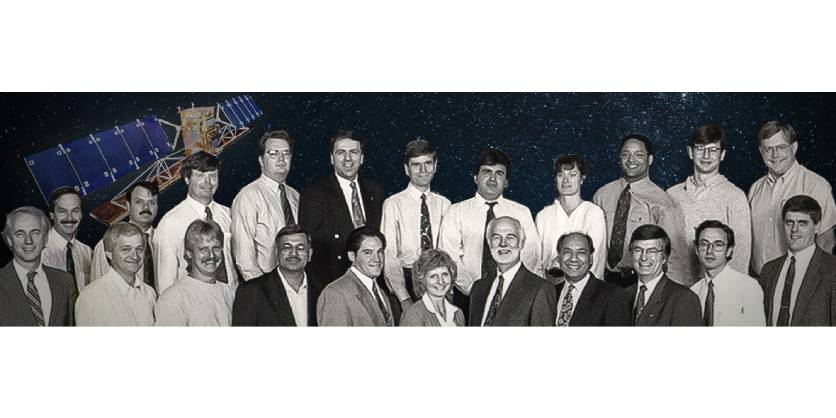
RADARSAT-1
RADARSAT-1 was Canada’s first Earth observation satellite. With its advanced synthetic aperture radar (SAR) technology, it delivered vital information to scientists, governments, and industry in Canada and around the world. Operating for 17 years, far exceeding its planned mission, it established Canada’s reputation as a world leader in satellite radar technology.
RADARSAT-2
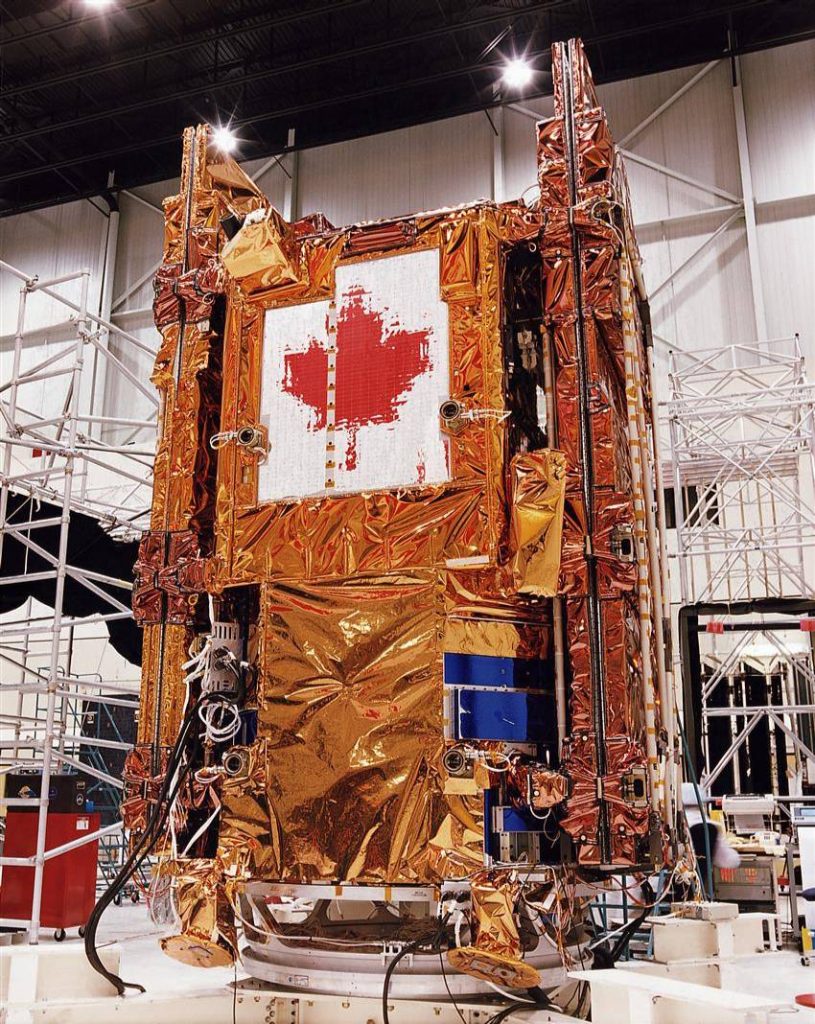
Launched in 2007, RADARSAT-2 introduced higher-resolution imaging, multiple polarization modes, and increased flexibility in operations. Today, it continues to deliver data for applications such as monitoring ice conditions in Canada’s North, tracking deforestation, supporting international humanitarian responses, and advancing climate science.
RADARSAT Constellation Mission
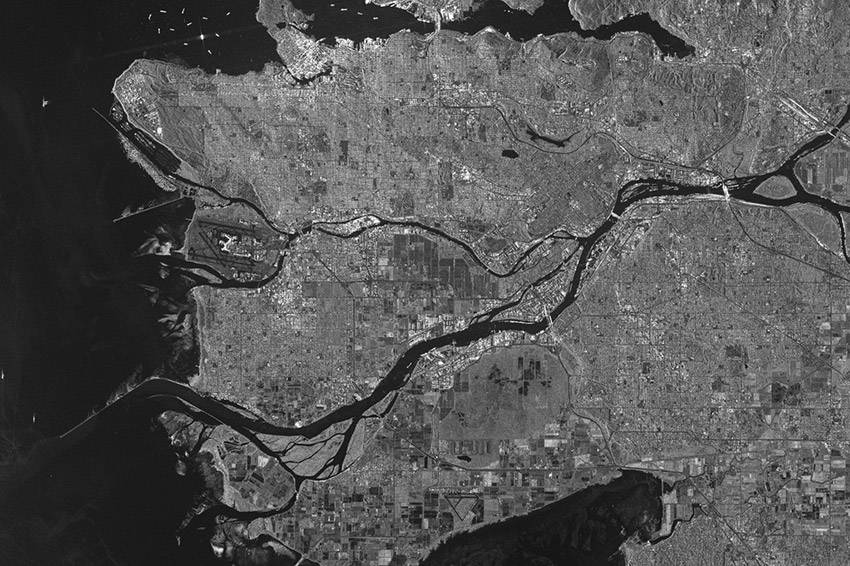
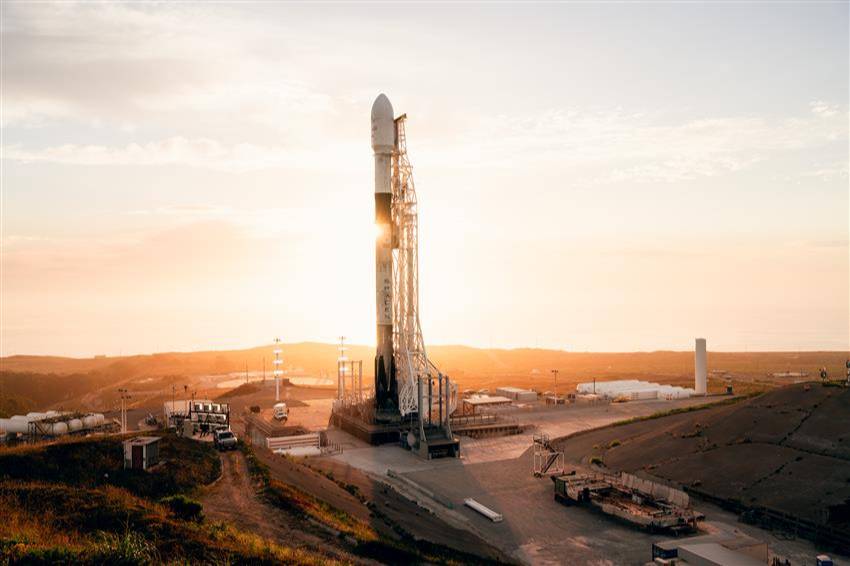
Launched in 2019, the RADARSAT Constellation Mission (RCM) brought a new era of daily coverage and improved monitoring. Composed of three satellites working together, the mission delivers timely data that is essential for maritime surveillance, disaster response, safe ice travel, and climate research. From shifting ice to rising seas, the RCM keeps a constant watch from space, helping Canada and its international allies stay informed, connected, and resilient.
Continuing the legacy
The story is far from over. Building on three decades of innovation and success, the CSA is developing a replenishment satellite for the RCM and paving the way for the next generation of SAR satellites. This advancement will ensure Canada remains strong and at the forefront of Earth observation while delivering high-quality data to support its economy, safety, and sustainability for years to come.
More Information
Related Story
The Canadian Space Agency Begins Design of Canadarm3
Leveraging a 40-year legacy of leadership in space robotics, the Government of Canada continues work on Canadarm3, the Canadian-made robotics system destined for the Lunar Gateway.
Brampton-based company MacDonald, Dettwiler and Associates Ltd. (MDA) will receive $268.9 million to begin the preliminary design of Canadarm3. The investment also includes funding to procure some of Canadarm3’s components.
MDA will work with companies across the country to drive innovation and research and development in emerging technologies while developing the robotic system. A broad range of Canadian companies will be part of the Canadarm3 supply chain, spurring investments in key industrial capabilities within Canada’s space sector.