Transforming Logistics Industry with Machine Vision in Scan Tunnels
October 2, 2024
The logistics industry is experiencing a transformative shift with the integration of machine vision technology in scan tunnels. This technology enhances operational efficiency and sets new standards in quality, speed, and precision.
Essential for tasks such as measurement, quality control, object recognition, and traceability, machine vision is becoming a fundamental component of advanced logistics operations.
The Role of Advanced Camera Technologies
Advanced cameras such as line scan, smart cameras, and industrial cameras significantly outperform traditional code readers by providing more than just code capture. These cameras enhance the quality and efficiency of logistics processes by enabling detailed and reliable data acquisition, which is crucial for modern logistics operations.
Benefits of Scan Tunnels in Modern Logistics
Scan tunnels equipped with machine vision technology bring numerous benefits to logistics operations. They reduce costs, minimize errors, decrease downtime, and integrate seamlessly into existing systems. These tunnels increase throughput and processing speed, lower error rates, and enhance data collection capabilities. The scalability and adaptability of this technology allow for the application of a single streamlined process across various operational areas, significantly enhancing overall efficiency.
Impact of Camera Technology on Scan Tunnel Effectiveness
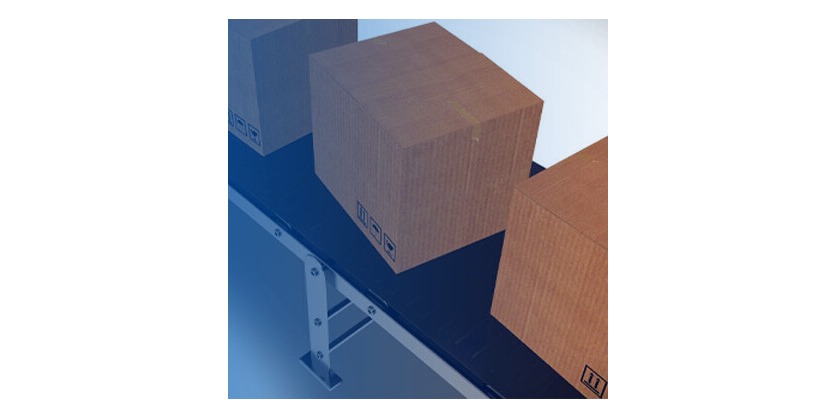
Camera technology is vital for maximizing the effectiveness of scan tunnels. It enables detailed inspections from multiple angles, improving dimensioning capabilities and the accuracy and speed of data capture. Area scan cameras cover different sides of the tunnel, while line scan cameras handle high-speed inspections. The potential addition of 3D or stereo cameras could further optimize these processes, reducing errors and enhancing efficiency.
The Future of Logistics with Machine Vision
As machine vision technologies continue to evolve, they are set to bring even greater precision and efficiency to the logistics industry. The ongoing development and integration of these systems are expected to redefine industry standards, streamline operations, and enhance cost-effectiveness. This technological evolution is poised to revolutionize logistics operations, making them more efficient and cost-effective, and paving the way for a new era in logistics driven by technological innovation.
More Information
Learn more about machine vision technologies
Related Story
The Fundamentals of Machine Vision in Automation: What You Need to Know
Machine vision has a place in many industries, including food & beverage, automotive, semiconductor, life sciences, and more. In this article, Ryan Marti, Product Manager – Industrial Cameras at Omron Automation walks us through the fundamentals of machine vision in automated processes and holds a lens to look at Omron’s products and solutions that are relevant to any of these industries.