Slip Rings: Their Function, Components, Materials, and Applications
August 3, 2023
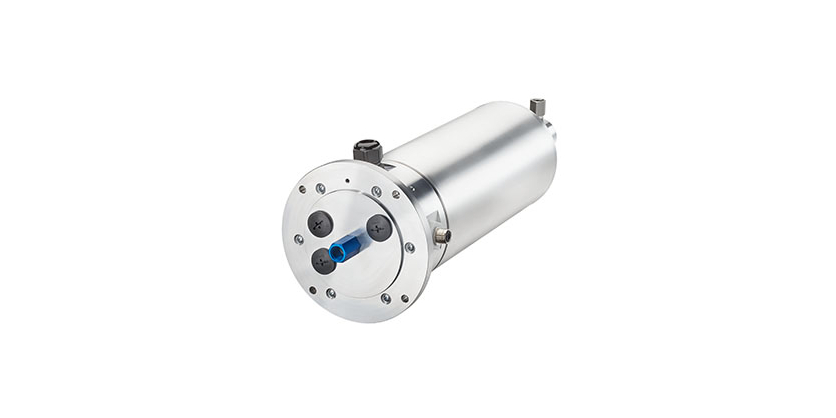
Slip rings, also known as rotary electrical joints, are essential electrical devices used in an array of industries and applications. These devices enable the transfer of power and data signals between a stationary part and a rotating structure.
With their ability to maintain continuous and uninterrupted connections, slip rings play a critical role in many industrial processes, offering reliable transmission of electrical signals and power.
One notable application of slip rings is in wind turbines. In this context, slip rings facilitate the transfer of electrical signals and power from the stationary part of the turbine to the rotating blades. As the blades rotate to harness wind energy, the slip rings ensure the efficient transmission of electricity for various functions such as blade pitch control, rotor position sensing, and communication with the control system. By providing a reliable connection between the stationary and rotating components, slip rings contribute to the overall performance and functionality of wind turbines.
Another industry where slip rings find widespread use is the crane industry. Cranes rely on slip rings to transfer electrical power to the hoist motor and control signals to the crane’s control system. These components enable seamless communication between the stationary control panel and the rotating crane structure. By utilizing slip rings, cranes can efficiently and safely perform lifting and positioning tasks in various construction and manufacturing operations. Slip rings ensure the continuous supply of power and control signals, enhancing the productivity and safety of crane operations.
In the medical field, slip rings are integral to the functioning of medical equipment. They facilitate the transfer of data signals from sensors and other devices to a central monitoring system. For instance, in a computed tomography (CT) scanner, slip rings enable the rotation of the gantry while maintaining a reliable connection for transmitting data from the X-ray detectors to the image reconstruction system. This ensures the accurate capture and interpretation of medical imaging data, contributing to precise diagnosis and treatment planning. Slip rings are also used in other medical devices such as MRI machines, robotic surgical systems, and patient monitoring systems.
To comprehend the inner workings of slip rings, it is important to delve into their components. A typical slip ring assembly consists of conductive rings, brushes, brush holders, and the stator and rotor. The conductive rings, commonly made of materials like gold, silver, or copper, exhibit high conductivity and are designed to minimize resistance for efficient electrical transmission. These rings provide a pathway for the transfer of electrical signals between the stationary and rotating components.
The brushes, typically composed of a conductive material, maintain contact with the conductive rings as they rotate. They play a crucial role in ensuring a reliable and consistent connection between the stationary and rotating parts. The brush holder, as the name implies, securely holds the brushes in place and ensures that they maintain contact with the conductive rings throughout the rotational movement.
As technology continues to advance, slip rings will likely see further improvements, optimizing their efficiency and durability. New materials and design innovations will address challenges such as wear and friction, making slip rings even more reliable and long-lasting. In the years to come, slip rings will remain fundamental components, propelling numerous industries forward with their ability to provide continuous electrical connections.
Slip rings are unsung heroes in modern industrial processes, seamlessly enabling the transfer of electrical signals and power between stationary and rotating structures. Their versatility makes them indispensable in a wide range of applications, from wind turbines harnessing renewable energy to cranes efficiently handling heavy loads.
More Information
Electromate offers several slip ring solutions available from Kübler
Related Story
Electromate Recertified as a ‘Great Place To Work’ for 2023
Electromate Inc. has been recertified a Great Place To Work for 2023 by Great Place to Work® Institute Canada. This recognition is a testament to the company’s commitment to creating a positive and inclusive workplace culture that empowers employees to thrive. As a leading distributor of high-performance automation products and robotic solutions, Electromate Inc. has always placed a strong emphasis on creating a workplace environment that fosters growth, learning, and development for its employees.