Why Cleanroom-Rated Robots Are So Important for Semiconductor Manufacturing
January 18, 2023
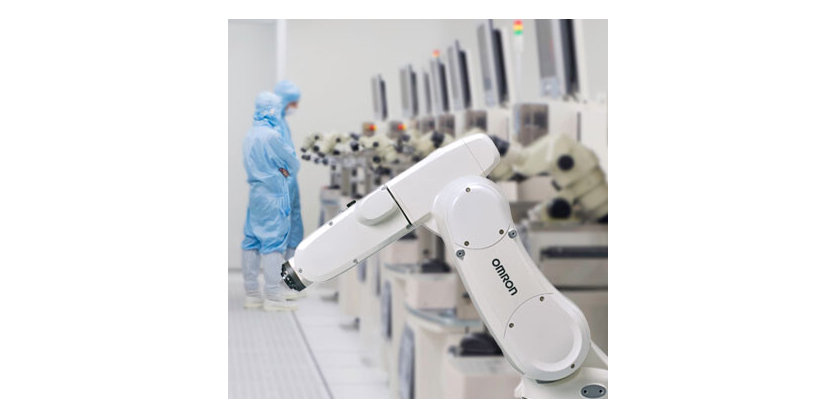
Cleanroom-Rated Robots. For the chips to function, the silicon must be highly pure, with only the allotted dropping materials for the requisite semiconductive properties. People who work in semiconductor fabs wear all-in-one coveralls to avoid introducing any amount of contamination into the previous silicon wafers, which area cut into hundreds of tiny chips that go into the electronic devise we use daily. In the semiconductor industry, extreme cleanliness is essential. If a single contaminating particle were to get into a wafer, the entire thing would need to be thrown out. Multiple wafer contaminations could cost the company tens or even thousands of dollars.
However, human workers aren’t the only potential source of contamination in a fab. As it turns out, automation equipment like robots can also introduce impurities into a wafer if they’re not designed for such requirements. Let’s take a look at why this is.
Joint-lubricating oils can leak out of non-cleanroom-rated robots
Robots need to move smoothly along multiple axes of motion. This is helped along by oils inside the joints of a robotic arm that provide lubrication. If the sealing in the joints isn’t sufficient for a cleanroom, these oils can leak out and contaminate the wafers.
Products within Omron’s robotics portfolio adhere to joint sealing requirements and other ISO-defined cleanroom class requirements (ISO 14644-1 and Fed 209E). These design elements, which include stainless steel hardware, applied vacuums in the robot interior, and the use of non-gassing lubricants, keep robots from introducing pollutants into the work environment.
IP ratings are also important for robotic technologies
Although the main concern in the semiconductor business is particles leaking out of a robotic arm’s joints, there are plenty of other industries in which the big issue is particles getting INTO the joints and damaging the robot’s inner workings. This is where IP ratings come in. These ratings refer to how well a device resists the ingress of certain liquids and particulates.
To understand why liquid and particulate ingress poses a problem, keep in mind that each joint in the robotic arm is an actuator (essentially a motor of sorts) with very small, highly synchronized parts. Contaminants like dust, liquids, and metal particles can cause accelerated wear on joint actuators or damage and short-circuit their internal electrical components.
Depending on the end user’s work environment, it’s important to discern whether a cleanroom-rated robot or a robot with a high IP rating is best suited for the application.
Omron robots are designed for all industries
At Omron, we take the needs of every manufacturing- and infrastructure-related industry into account when designing our robots. In addition to making sure they’re cleanroom-rated and resistant to harsh environments, we also make it easy to install them, program them, and conduct simulations of your application.
Interested in working with an experienced automation partner for your next robotic application? Check out their comprehensive Robotics Portfolio
Industrial, mobile and collaborative robots for your most demanding applications
Omron’s unique combination of robots, software and integrated control architecture address today’s factory automation challenges. From applications that need to produce a high volume and/or a high variety mix of products to those with short product lifecycles that require rapid production line changes, Omron’s innovative industrial, collaborative and mobile robotics offerings help manufacturers meet today’s production demands as well as tomorrow’s and beyond.
20,000+ Robots Deployed Globally
Manufacturers across the globe have been using our robots in the food and beverage, automotive, electronics and other industries for decades.
20+ Years of Robot Experience
Omron has pioneered some of the world’s most innovative robotics technologies including those in mobile robotics, parallel link arms, machine vision and motion control.
210 Locations Worldwide
With over two hundred locations worldwide, you can be sure that access to the sales and support you need is never far away.
Related Product
Omron’s New Integrated Controller Capable of Controlling Robots and Entire Automation Systems
Omron has recently introduced its most full-featured machine automation controller to date. Offering control of multiple robots, the choice of 16, 32, or 64 controlled motion axes, and SQL connectivity. It is the ideal control solution for complete robotic cells, high-speed motion systems, material handling and multi-robot systems.