

Yaskawa Whitepaper: The I’s and O’s of VFDs

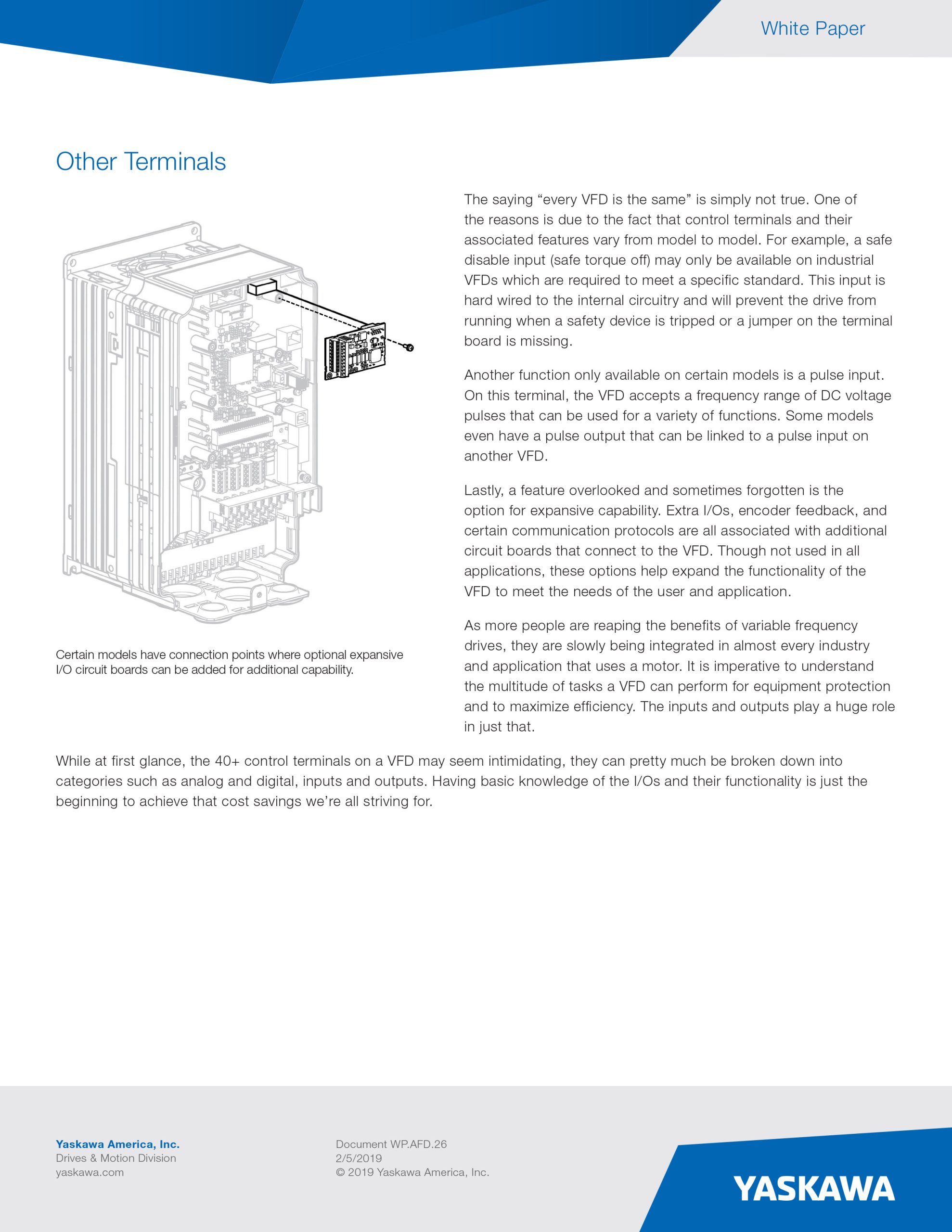
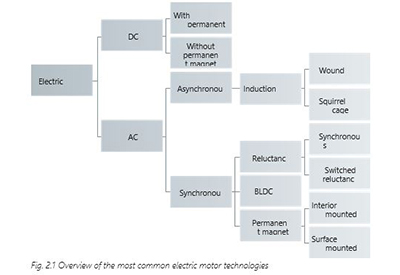
An electric motor is an electromechanical device that converts electrical energy into mechanical energy. The reverse process of producing electrical energy from mechanical energy is performed by a generator.
What is the best way to power a fan array in a critical operation? For those who may not know what a fan array is, a fan array is exactly what it sounds like – a series of smaller fans designed to carry the load once handled by a single larger fan.
Variable speed drives, due to their operating principle, produce a series of unwanted secondary effects, such as: motor winding isolation stress, bearing stress, acoustic switching noise in the motor and electromagnetic interference. In most applications these effects are at an acceptable level – but in some cases these effects need to be mitigated.
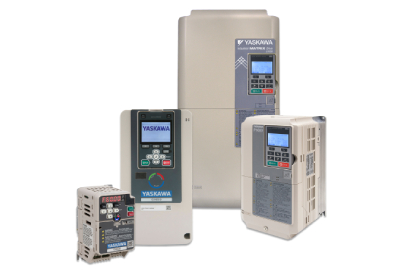
The U1000 Industrial Configured Drive package provides all the low harmonic and regenerative benefits of a U1000 in a UL Type 1 or UL Type 3R enclosure, with space for several commonly used options, such as reactors, circuit breakers, etc. This configured package is rugged and reliable, specifically designed for tough industrial environments. The U1000 is a compact, total all-in-one solution for ultra-low harmonics and/or full regeneration and is the ultimate choice for power quality and energy savings. Additionally, the U1000 delivers high flexibility and motor control performance to meet a wide variety of application requirements.
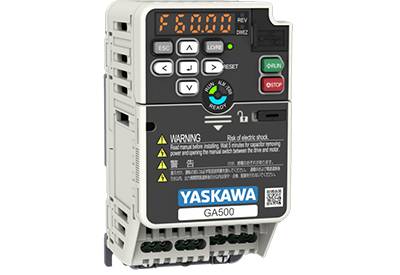
Motor control is one of the most important directions being taken to ensure efficiency, longevity of motor operation and to ensure downtime is minimized. And one of the most notable directions in this field is the growing demand for micro drives. As size is a common concern for those using drive technology micro drives can offer an optimal solution.
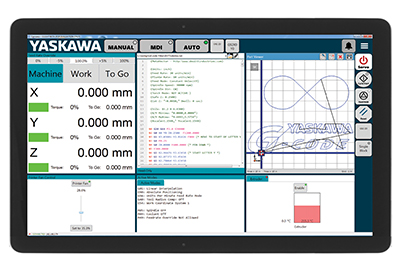
The Drives & Motion division of Yaskawa America, Inc. is proud to release Yaskawa Compass, a new software user interface tool for advanced manufacturing. Yaskawa Compass is your CNC navigator, a graphical user software package applicable to multiple applications in 3D printing, shape cutting, machine tool and robotics.
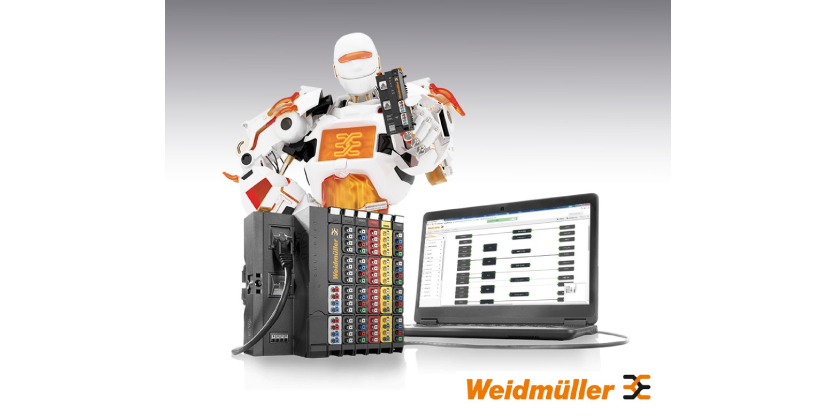
Weidmüller’s scalable engineering software, u-control 2000, adapts individually to your requirements. And, the u-control is powerful, compact and fully compatible with Weidmüller’s I/O system u-remote. This article looks at what makes u-control the heart of your automation.
Programmable logic controllers (PLCs) are one of the main components of any automated system. A typical control system has inputs, outputs, controllers (i.e., PLCs), and some type of human interaction with the system, a human machine interface (HMI), for example.
October 6, 2026 By Mariah Moore, Content Specialist A report from Deloitte and The Manufacturing Institute cites that the manufacturing industry will need 3.8 million labor roles filled by 2033. As of 2024, it is projected that roughly half of those roles will remain vacant. Some of the positions with the widest gap include machine… Read More…
October 6, 2026 By Anders Billesø Beck What UR tested with the Model Hardware Standard (MHS) research preview — and why PolyScope X is the platform that gets them there. In brief At Universal Robots, they build human-scale automation: collaborative industrial robots that work alongside people in manufacturing, electronics, and across industry. For decades, the… Read More…