The Future of Process Heating: Phoenix Contact is Setting a New Standard for Safe Automation in Industrial Process Heating
November 17, 2025
The Future of Process Heating: Phoenix Contact is Setting a New Standard for Safe Automation in Industrial Process Heating
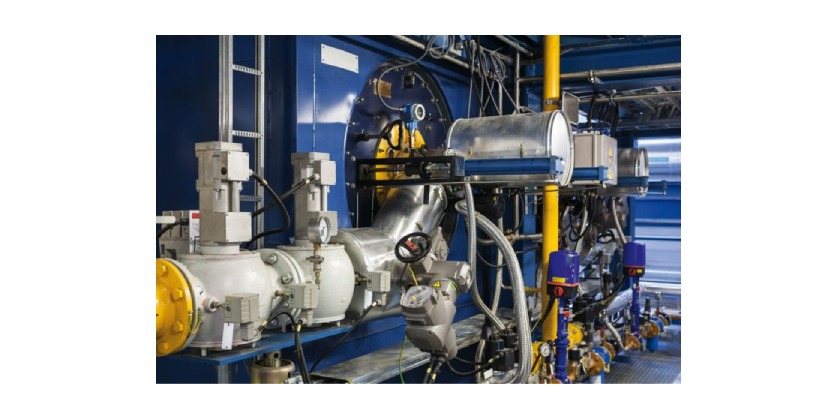
The PLCnext Technology ecosystem from Phoenix Contact now satisfies globally applicable standards such as DIN EN ISO 13577-2/4 and NFPA 85, 86, 87 for industrial process heating.
With this development, the company is positioning itself in both the European and North American markets as a provider of functional and data security automation solutions for furnaces and incinerators and process heating applications. The aim is to reduce emissions and increase security through the IIoT, intelligent combustion processes, and open interfaces.
The extended PLCnext platform combines the controller at the machine level with the requirements of combustion processes. It helps manufacturers to meet the high requirements on security, reliability, and performance with an open and standardized solution. “The field of industrial process heating is developing rapidly. Our customers need scalable, intelligent, and certified solutions. With PLCnext Technology, we are providing a future-oriented ecosystem that combines security, connectivity, and advanced analytics in a modular platform”, says Markus Kick, International Business Development Thermoprocessing and Digitalization at Phoenix Contact.
The company’s thermoprocessing solution includes all the necessary components. EMpro devices take on the role of energy monitoring and provide insights into real-time consumption. A high level of system availability is achieved through the use of certified voltage monitoring, uninterruptible power supply (UPS), and modular fuse distribution systems. SPE and APL switches as well as solid-state relays are used for secure data transport. Machine learning is also integrated: The MLnext software solution takes over the predictive control and optimization of processes. The Virtual PLCnext Control virtualized control system ensures flexible use. State-of-the-art PID controllers are used to replace electromechanical components such as leak testers and temperature monitoring devices.
Phoenix Contact also provides end-to-end functional safety for machine and process applications, including safe signal coupling and isolation, safety relays for Ex/ATEX environments, and support for external emergency stop devices. To maintain robust connectivity in zones with high temperatures and vibration levels, Heavycon high-performance connectors from Phoenix Contact are used to ensure IP69K protection, EMC shielding, and modular contact inserts for power, signal, and data transmissions in a single interface. The connectors are designed for maximum durability and are therefore indispensable for combustion systems, boiler controllers, and process-critical environments.
More Information
Related Product
Data Interfaces for Control Cabinets and Devices from Phoenix Contact
The new Data Service Interfaces (DSIs) from Phoenix Contact are a convenient solution for service work on control cabinets and devices. With various interfaces including RJ45 and USB, the space-saving service interfaces enable the quick and easy connection of additional electrical devices.