Motion Controllers for Intralogistics Market to Reach USD 6.77 Billion by 2033
March 2, 2026
Market Summary
According to latest research by Growth Market Reports, the global market size for Motion Controllers for Intralogistics reached USD 3.47 billion in 2024, reflecting robust expansion driven by the increasing automation of supply chain operations. The market is projected to grow at a CAGR of 8.2% from 2025 to 2033, reaching a forecasted value of USD 6.77 billion by 2033. This impressive growth is primarily fueled by the surging demand for efficient and flexible intralogistics solutions across multiple industries, as organizations worldwide strive to enhance operational efficiency, reduce labor costs, and improve throughput in warehousing and distribution environments.
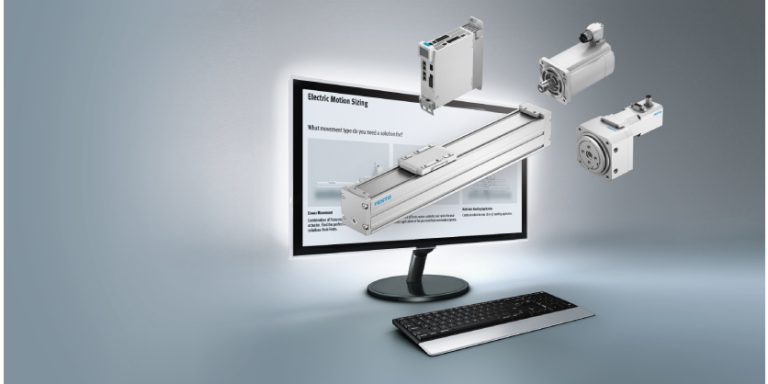
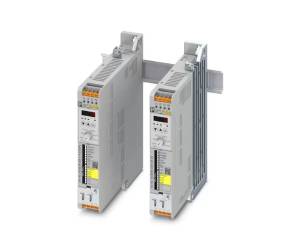
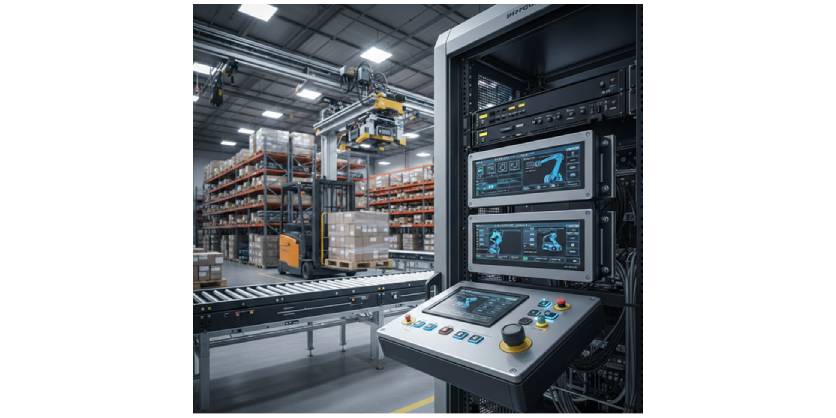
The Motion Controllers for Intralogistics Market is gaining significant momentum as warehouses and distribution centers embrace automation to meet rising e-commerce demand. Motion controllers serve as the brain behind automated systems, ensuring precise movement, synchronization, and efficiency across material handling equipment. From conveyor systems to robotic picking units, these controllers are critical to achieving speed, accuracy, and operational reliability.
Market Drivers
Surge in E-commerce and Omnichannel Retail
The rapid growth of online shopping has increased the need for faster order fulfillment. Companies are investing in automated intralogistics systems powered by motion controllers to handle high order volumes with minimal delays. These systems enable real-time tracking and rapid sorting, improving customer satisfaction.
Labor Shortages and Rising Costs
Global labor shortages and increasing wages are pushing companies to adopt automation. Motion controllers reduce dependency on manual labor by enabling autonomous systems that operate continuously with minimal human intervention.
Demand for High Precision and Efficiency
Industries such as pharmaceuticals, electronics, and food & beverage require precise handling and traceability. Motion controllers ensure accurate positioning and smooth movement, reducing product damage and ensuring compliance with quality standards.
Technological Advancements
Integration with IoT and AI
Modern motion controllers are increasingly integrated with IoT sensors and AI-driven analytics. These technologies enable predictive maintenance, real-time performance monitoring, and adaptive control. By analyzing operational data, systems can optimize movement patterns and reduce energy consumption.
Market Challenges
High Initial Investment
Despite long-term cost benefits, the initial investment in motion control systems can be substantial. Small and medium-sized enterprises may hesitate to adopt these technologies due to budget constraints.
Integration Complexity
Integrating motion controllers with legacy systems can be complex and time-consuming. Compatibility issues and the need for specialized expertise may slow adoption rates.
Opportunities for Growth
Expansion of Smart Warehouses
The rise of smart warehouses presents significant opportunities for motion controller manufacturers. As companies invest in digital transformation, demand for intelligent motion control systems is expected to surge.
Competitive Landscape
- Siemens AG
- Rockwell Automation
- Mitsubishi Electric Corporation
- Schneider Electric
- ABB Ltd.
- Yaskawa Electric Corporation
- Beckhoff Automation
- Bosch Rexroth AG
- Omron Corporation
- Panasonic Corporation
Future Outlook
The Motion Controllers for Intralogistics Market is poised for robust growth as automation becomes central to supply chain efficiency. Advances in AI, IoT, and robotics will further enhance controller capabilities, enabling smarter and more adaptive systems. In the coming years, motion controllers will play a pivotal role in transforming warehouses into fully autonomous, high-performance logistics hubs.
Source: https://growthmarketreports.com/report/motion-controllers-for-intralogistics-market