The What, Why, and How of Hygienic Design
August 8, 2024
The stringent food safety standards of the FDA’s Food Safety Modernization Act (FSMA) impact everyone in the U.S. food supply chain, from manufacturers to retailers. For food and beverage processors, preventing contamination necessitates rigorous sanitation protocols to ensure equipment cleanliness at the microbiological level.
Enter hygienic design: an approach to enclosure design that addresses the critical needs of food and beverage manufacturers.
What is Hygienic Design?
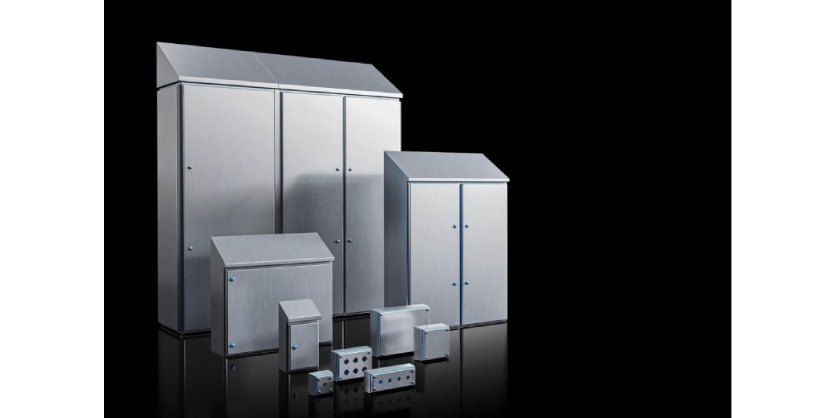
Hygienic design enclosures are stainless steel wall-mounted housings and free-standing enclosures engineered to protect mechanical and electrical control equipment while preventing food contamination and resisting corrosion from harsh cleaners, high-pressure hot water, and steam. For food and beverage processors, this design approach reduces the risk of contamination and recalls, shortens cleaning times, and requires less water and fewer chemicals.
The bottom line: designing for hygiene from the start leads to more uptime in the long run.
Understanding Hygienic Zones
Food and beverage plants have different zones that require various levels of hygiene. Rittal designs its hygienic enclosures with these zones in mind:
Basic Hygiene Zones
These zones have no open processes where food could be contaminated and no wash-down requirements. Areas include building systems, power infrastructure, packaging, palletizing, storage, and conveyors for finished products. Typical enclosures: NEMA 12, carbon steel, or stainless steel.
Medium Hygiene Zones
These zones involve contained, mixed, or processed food and beverages in vats, vessels, tanks, or piping. Regular cleaning of equipment, floors, and surfaces requires resistance to water splashes, corrosion, and chemical vapors. Areas include milk production, breweries, and distilleries. Typical enclosures: slope-top, NEMA 4X, stainless steel.
High Hygiene Zones
These zones have open processes where food contacts machines, floors, and surfaces, requiring the highest hygiene levels. Equipment must withstand aggressive cleaning agents, high-temperature, and high-pressure water. Typical applications: food processing equipment and conveyors for raw products. Typical enclosures: IP69, slope-top, brushed stainless steel, FDA-approved gaskets.
Selecting the right enclosure for each hygiene zone helps food and beverage processors integrate hygienic design throughout the production process.
9 Hygienic Design Features to Look For
When choosing enclosures for a food or beverage processing plant, look for these key features:
- No gaps between the enclosure and its door or cover: Continuous silicone seal door gaskets prevent water, steam, or contaminants from entering and are easily replaceable.
- Smooth surface grain: Eliminates tiny pores that could harbor microorganisms.
- Internal hinges: Simplifies cleaning.
- Integrated, non-detachable rear panel: Ensures reliable hygiene and sealing.
- Screw-fastened side panels from the inside: Eliminates threads or crevices that could harbor dirt or bacteria.
- Hexagonal screw fasteners: No head slots to collect debris, with external seals to keep moisture out.
- Stainless steel locks and cable glands: Easy to clean.
- Sloped tops and sealed access points: Prevent water or cleaning agent infiltration, reducing the risk of electrical failure, unscheduled downtime, and repairs.
- Consistent IP rating: Aligns with the line’s cleaning protocol, such as IP66 (dust-tight and protected from high-pressure water jets) and IP69K (dust-tight and protected from steam-jet cleaning).
Additional Features
Look for features that demonstrate the enclosure manufacturer understands food and beverage processing needs. For instance, Rittal’s hygienic design enclosures come with a blue seal. Its distinctive colour makes it easily distinguishable from foodstuffs, simplifying decontamination.
More Information
Ready to learn more? Contact Rittal today
Related Story
Superior Cleanability with New Additions to Rittal’s Hygienic Design Line!
The new additions to Rittal’s HD line include small, single door enclosures, push button boxes, terminal boxes, and accessories to help food and beverage producers create a more efficient, flexible automation system that optimizes safe and sanitary production processes.
Rittal’s expanded HD line of enclosures and accessories for food and beverage production is designed to help simplify the complexity of building an automation framework that is ideal for modern food and beverage manufacturing.