Become and Remain Certified: Certification of Components and Systems With Safety Function

July 15, 2021
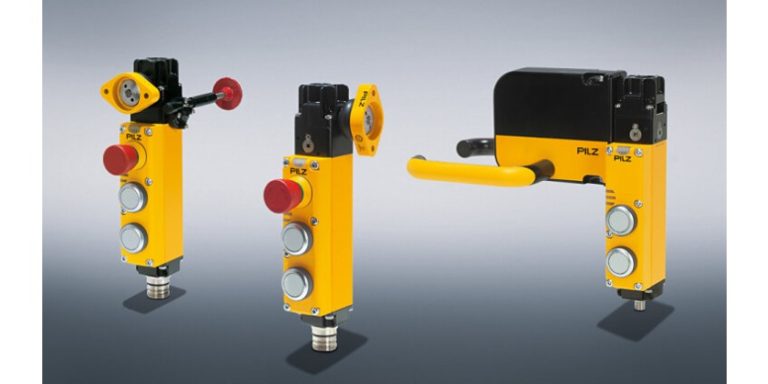
As a developer and manufacturer of safe automation technology, Pilz is legally required to minimise risks when using its products and to focus on the current state of the art. Ultimately it’s about protecting humans, machines and the environment. National and international standards define the specifications that need to be considered – for example, the standards EN/IEC 62061 and EN ISO 13849, harmonised under the Machinery Directive 2006/42/EC.
The “Product Compliance” team is based at Pilz’s head office in Ostfildern and ensures that around 2,000 certified products comply with legal standards and regulations as well as any additional requirements, so that certifications can be maintained. For each product there are generally several different certificates available at the same time, and these must be reconciled. Then there’s the new products also, such as the safety relay myPNOZ.
The route to a certified product
The team works closely with product management and product development as well as the external notified bodies, to ensure that certifications cover national and international markets. In order to satisfy the different statutory provisions and requirements, Pilz works with over 20 organisations in the field of testing and certification – all over the world. There are several steps to a certification project: a distinction is made depending on whether it involves a fundamentally new product with new technology or it’s a version of an existing product. For example, the safety relay myPNOZ was based on a new technology platform. For this reason, the external testing organisation was included very early on in the concept phase.
Requirements depend on the market and industry
Once development is complete, each product is sampled by the inspection body and is subjected to comprehensive testing. When this is completed successfully, the certificate is issued. Additional product certifications are required in order to bring products to international markets. In turn, certain industries such as railway, lift technology or burner management demand compliance with industry-specific requirements. A certificate confirms that the product complies with the stated standards. At regular intervals, products must be recertified and the certificates renewed. A further step is the regular inspection to check that the manufacture of the products is type-compliant. The certifying bodies carry this out on-site. At Pilz, around 60 of these external audits take place every year.
When standards are changed and new legal requirements are introduced, the effect on products has to be continuously assessed and appropriate measures introduced. This way we guarantee that our vision is implemented and that each day our products make the world that bit safer.